Protocol PlatformTokenisation EngineReserve TreasuryReal-World AssetsLiquidity & SettlementTechnologyInstitutionsInvestorsResourcesAboutRequest access
About

A capital formation protocol inspired by Bitcoin’s verification model.

Bitcoin Tokenisation extends the principle of a shared, verifiable ownership state into private capital formation—while retaining the legal, governance and professional structures that make investment rights enforceable.

Thesis

Bitcoin solved one trust problem. Capital formation has another.

Digital cash required a way to establish transaction order and prevent double-spending without relying on one clearing institution. Private capital faces a parallel coordination problem: who owns what, what rights attach, whether funds were deployed as represented, and whether transfer and exit events were administered correctly.

Bitcoin Tokenisation applies distributed verification to that investment lifecycle. It does not seek to remove every intermediary; it seeks to turn critical intermediary actions into verifiable state changes and evidence.
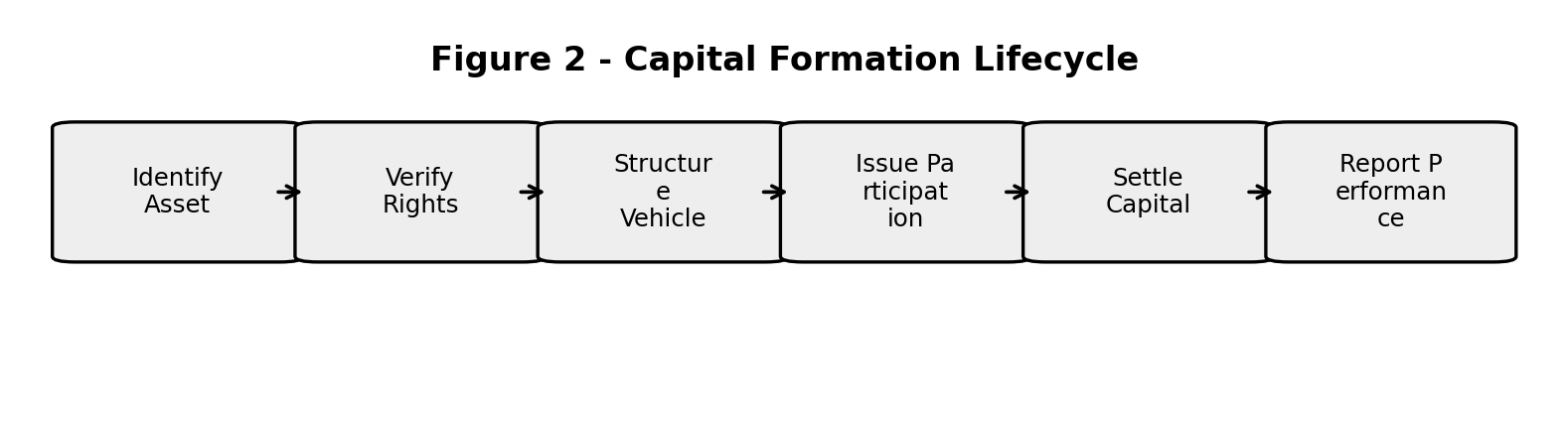
Capital formation lifecycle
Capital formation lifecycle from asset identification to performance reporting.
Author

Richard Vanderbilt

Author of the Bitcoin Tokenisation Protocol white paper, “A Peer-to-Peer Electronic Cash-Based Capital Formation System,” Version 1.0, 2026.

Design principles

Evidence before issuanceSettlement before finalityGovernance before liquidityTransparency with permissioned privacyTreasury disciplineModular architecture
“The result is not a lawless system outside finance, but a more precise system for coordinating financial rights through software, cryptographic evidence, and compliant legal wrappers.”Protocol thesis

Explore the protocol from first principles.

Start a conversation